
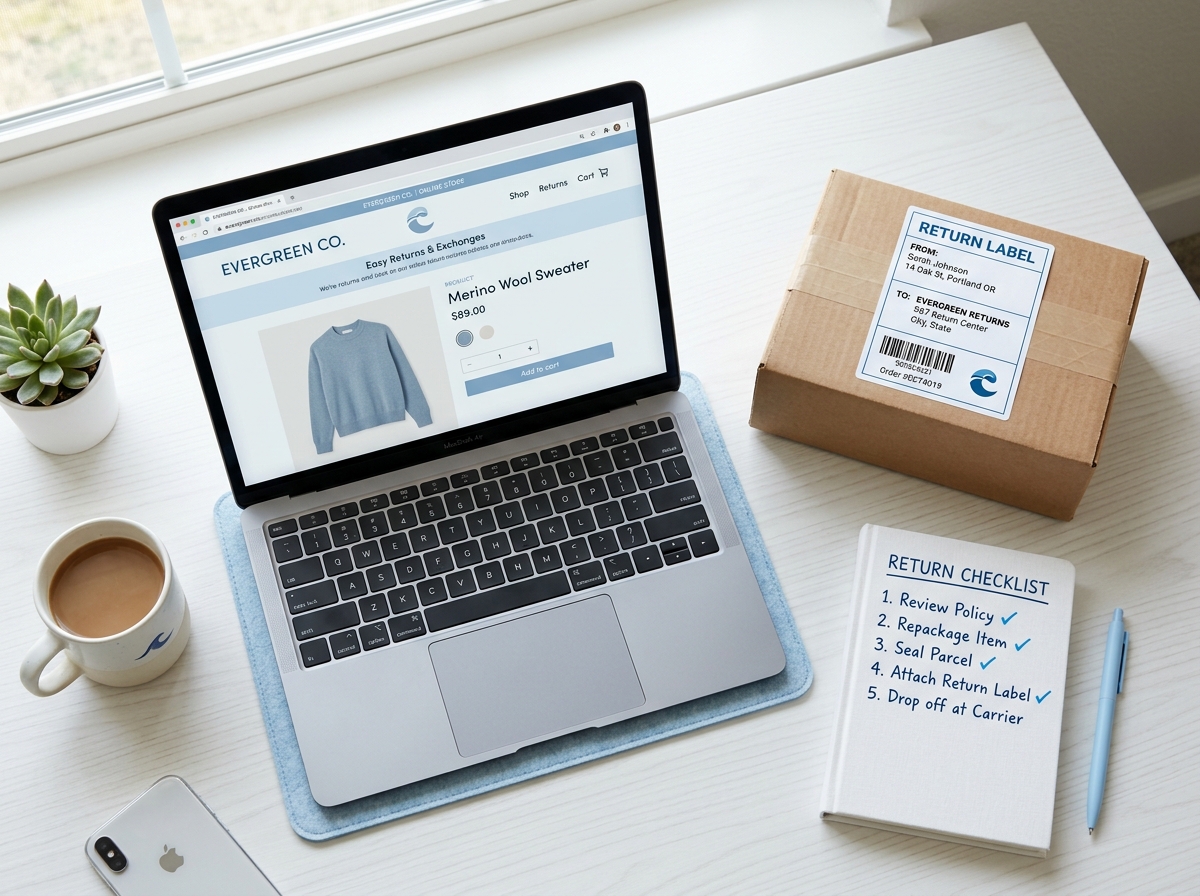
If you run an online store, your ecommerce returns policy is one of the most powerful — and most overlooked — tools in your business. Shoppers read your returns policy before they buy. A confusing or harsh policy can kill a sale before it even starts. But a clear, fair, and well-written policy? That builds trust, reduces buyer hesitation, and can actually lower the number of refund requests you receive.
In this post, we’ll walk you through exactly how to write a returns policy that works for your customers and protects your business at the same time.
Why Your Returns Policy Matters More Than You Think
Most business owners treat their returns policy as a legal formality — something to copy from a template and bury in the footer. But your customers don’t see it that way. Studies consistently show that over 60% of online shoppers check a returns policy before making a purchase. If they can’t find it, or if it reads like a legal minefield, they’ll simply shop somewhere else.
A well-crafted ecommerce returns policy does three important things. It reassures nervous buyers that they won’t be stuck with something they don’t want. It sets clear expectations so customers know exactly what to do if something goes wrong. And it reduces the back-and-forth emails and disputes that drain your time and energy.
The Hidden Cost of a Bad Returns Policy
A vague or overly restrictive policy doesn’t just lose you sales — it creates more work. When customers are confused about how returns work, they contact you repeatedly, leave negative reviews, and sometimes initiate chargebacks through their bank. A clear policy upfront prevents most of these headaches before they start.
Think of your returns policy as customer service in written form. The clearer and more helpful it is, the fewer problems you’ll have to deal with later. It’s also worth noting that a generous, transparent policy is a genuine competitive advantage — especially for smaller stores competing against big retailers.
What to Include in Your Ecommerce Returns Policy
You don’t need a 10-page legal document. What you need is a policy that’s easy to read, easy to find, and answers the questions your customers are actually asking. Here’s what every solid ecommerce returns policy should cover:
- Return window: How many days does a customer have to request a return? 30 days is standard, but 60 or 90 days can increase buyer confidence significantly.
- Condition of items: Do items need to be unused, in original packaging, or with tags attached? Be specific so there’s no room for argument.
- How to start a return: Give customers a clear, simple process — whether that’s emailing you, filling out a form, or using a returns portal.
- Refund method: Will you offer a full refund, store credit, or exchange? Be upfront about this so customers aren’t surprised.
- Who pays for return shipping: This is a big one. If you can offer free return shipping, it removes a major barrier to purchase. If not, be honest about it.
- Non-returnable items: Clearly list any items that can’t be returned — such as digital downloads, personalised products, or sale items.
- Processing time: Let customers know how long it takes to process a return and issue a refund once you receive the item.
Writing in Plain Language
Avoid legal jargon wherever possible. Phrases like “notwithstanding the foregoing” or “at our sole discretion” make customers nervous and confused. Write your policy the way you’d explain it to a friend. Use short sentences, bullet points, and clear headings so people can scan it quickly and find what they need.
If you’re not sure where to start, try writing it as a simple FAQ. “How do I return something?” “How long does a refund take?” “What if my item arrived damaged?” Answering these questions directly is often more effective than a formal policy document.
How to Use Your Returns Policy to Reduce Refunds
Here’s something counterintuitive: a more generous returns policy often leads to fewer returns. When customers feel confident they can return something easily, they’re less likely to panic-buy or make impulsive decisions they regret. They buy with more intention — and that means fewer returns overall.
Beyond the policy itself, there are practical steps you can take to reduce refund requests before they happen. Better product descriptions, accurate sizing guides, and high-quality photos all help customers make more informed decisions. If you’re seeing a pattern in your returns — the same product, the same complaint — that’s valuable feedback telling you something needs to change on your product page. You can also explore product page optimisation strategies to reduce buyer confusion and improve conversions at the same time.
Make Your Policy Easy to Find
A great returns policy is useless if no one can find it. Link to it in your website footer, on your product pages, at checkout, and in your order confirmation emails. The more visible it is, the more trust it builds — and the fewer “what’s your returns policy?” messages you’ll receive in your inbox.
If you’re using an automated email sequence for post-purchase follow-ups, consider including a quick summary of your returns policy in your first email. This proactive communication reduces anxiety and builds goodwill with new customers. For help setting up automated customer journeys, check out our guide on email marketing automation for small businesses.
Common Mistakes to Avoid
Even well-intentioned business owners make mistakes with their returns policies. Here are the most common ones to watch out for:
- Being too vague: “Returns accepted at our discretion” tells customers nothing and creates distrust.
- Hiding the policy: If customers have to hunt for it, they’ll assume the worst.
- Forgetting to update it: If your policy changes, update it everywhere — including your emails and product pages.
- Making the process too complicated: The more hoops customers have to jump through, the more frustrated they become. Keep it simple.
- Not addressing damaged or incorrect items: Always have a clear process for when something arrives broken or wrong — this is where trust is won or lost.
If you’re building or redesigning your online store, it’s worth reviewing your entire customer experience — not just your returns policy. A well-designed store with clear navigation and trust signals makes every part of the buying journey smoother. Take a look at our ecommerce website design tips for practical ideas you can implement right away.
Key Takeaways
- Your ecommerce returns policy is a trust-building tool, not just a legal requirement — treat it that way.
- A clear, fair policy reduces buyer hesitation and can actually lower the number of returns you receive.
- Always include your return window, refund method, item condition requirements, and who pays for shipping.
- Write in plain language and make your policy easy to find across your website and emails.
- Use return patterns as feedback — if the same product keeps coming back, your product page may need updating.
Your returns policy is one of those small details that makes a big difference to how customers perceive your brand. Get it right, and it becomes a quiet but powerful part of your sales strategy. Get it wrong, and it costs you sales, time, and customer loyalty.
Need help reviewing your ecommerce setup, improving your customer experience, or building out your digital marketing strategy? Get in touch with the team at LetsGetSocialOnline.com — we’d love to help your online store grow.