
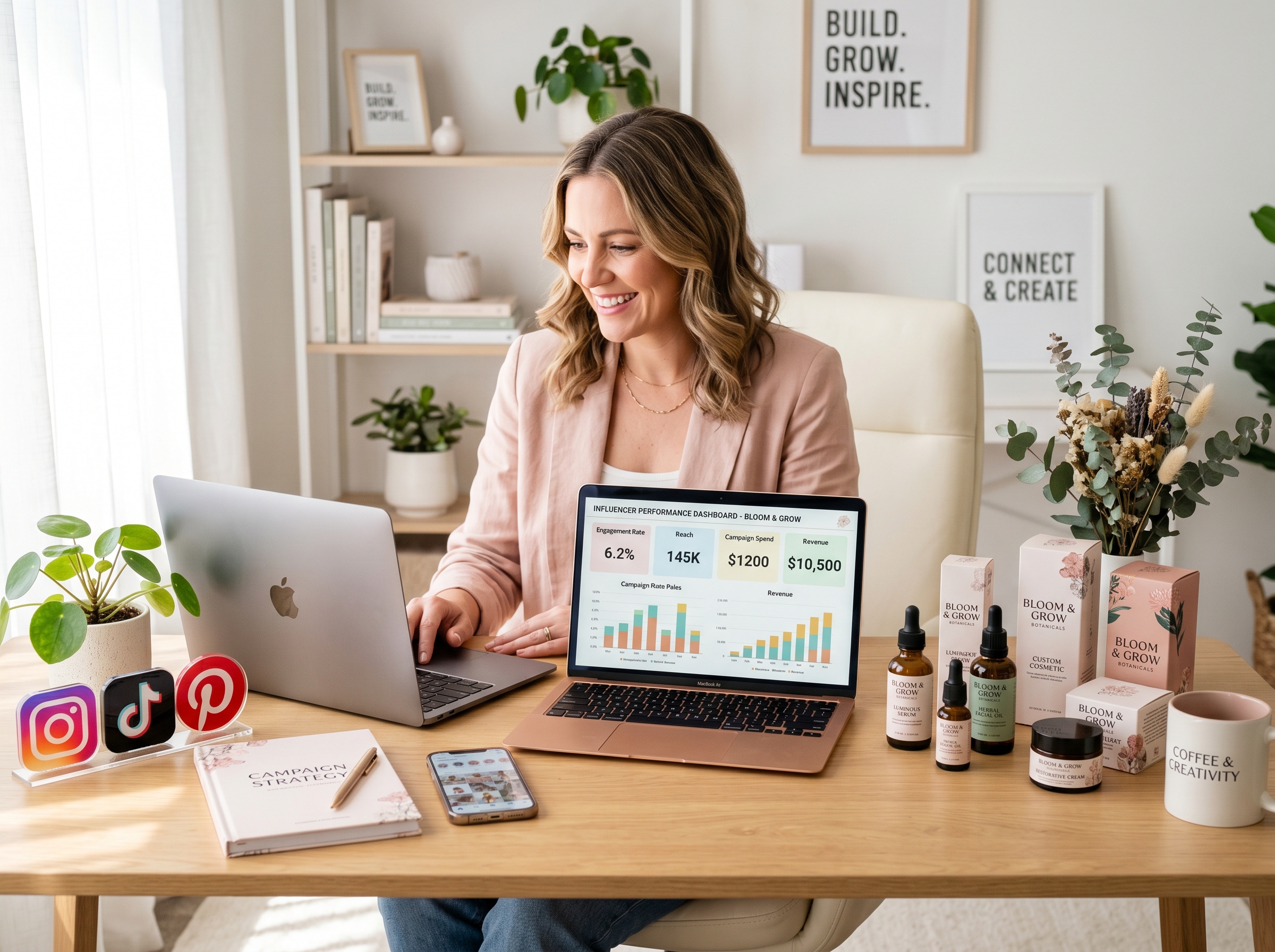
Influencer Marketing on a Small Budget: Strategies That Actually Work
Many small business owners assume influencer marketing is reserved for Fortune 500 companies with massive advertising budgets. The truth? A well-planned influencer marketing budget — even a modest one — can generate impressive brand awareness, engagement, and sales. You don’t need to pay a celebrity six figures to see results. You just need the right strategy, the right partners, and a clear plan of action.
In this guide, we’ll break down exactly how to make influencer marketing work for your business without breaking the bank.
Why Influencer Marketing Still Matters in 2025
Influencer marketing has evolved dramatically over the past few years. Audiences have grown savvier, and authenticity now drives results more than follower counts ever did. According to recent industry data, micro-influencers generate up to 60% higher engagement rates than macro-influencers — and they cost a fraction of the price.
For small businesses, this shift is a massive opportunity. Consumers trust recommendations from real people they follow and relate to. When an influencer genuinely endorses your product or service, it carries far more weight than a traditional ad. The key is knowing how to find the right influencers and structure deals that fit your budget.
Setting a Realistic Influencer Marketing Budget
Before you reach out to a single influencer, you need to define what you can realistically spend. Your influencer marketing budget doesn’t have to be enormous — but it does need to be intentional.
How Much Should You Spend?
- Nano-influencers (1K–10K followers): Often work for free products, gift cards, or $50–$200 per post
- Micro-influencers (10K–100K followers): Typically charge $100–$1,000 per post depending on niche and platform
- Mid-tier influencers (100K–500K followers): Usually range from $1,000–$5,000 per post
- Macro and celebrity influencers: Can cost $10,000+ per post — generally not ideal for small budgets
For most small businesses, starting with nano and micro-influencers is the smartest move. You’ll get better engagement, more authentic content, and a much stronger return on your influencer marketing budget.
Finding the Right Influencers for Your Brand
The biggest mistake small businesses make is chasing follower counts instead of relevance. A fitness influencer with 8,000 highly engaged followers in your local market is worth far more than a lifestyle blogger with 500,000 passive followers scattered across the globe.
Where to Find Budget-Friendly Influencers
- Instagram and TikTok search: Use niche hashtags related to your industry to discover creators already talking about topics relevant to your brand
- YouTube: Look for creators in your niche who produce review or tutorial content — these often drive strong purchase intent
- Influencer platforms: Tools like AspireIQ, Collabstr, and Heepsy allow you to filter influencers by niche, location, follower count, and engagement rate
- Your own customer base: Some of your best brand advocates may already be following you — check who’s tagging your brand organically
What to Look for Before You Reach Out
- Engagement rate of 3% or higher (likes, comments, shares relative to followers)
- Authentic, consistent content that aligns with your brand values
- An audience demographic that matches your target customer
- A history of genuine product recommendations — not just paid post after paid post
Creative Ways to Work With Influencers on a Tight Budget
Money isn’t the only currency in influencer marketing. Many creators — especially those just building their platforms — are open to alternative arrangements that can stretch your influencer marketing budget significantly further.
Product Gifting and Barter Deals
Offer your product or service in exchange for an honest review or social post. This works especially well for food, beauty, fashion, and lifestyle brands. Make sure the value of what you’re offering is genuinely worthwhile to the creator — don’t expect a polished campaign in exchange for a $10 sample.
Affiliate and Commission-Based Partnerships
Instead of paying upfront, offer influencers a commission on every sale they drive using a unique discount code or tracking link. This performance-based model means you only pay when results are delivered — a perfect fit for businesses watching every dollar.
Long-Term Ambassador Programs
Rather than one-off posts, consider building ongoing relationships with a small group of influencers. Long-term partnerships tend to feel more authentic to audiences, and you can often negotiate better rates in exchange for consistent, recurring work.
Co-Created Content
Collaborate with influencers to create content that both parties can use. You get professional-quality social content for your own channels, and the influencer gets creative material to share with their audience. This shared value model can significantly reduce costs.
Measuring ROI on Your Influencer Campaigns
One of the most important aspects of managing your influencer marketing budget is tracking what’s actually working. Without measurement, you’re flying blind.
Key Metrics to Track
- Reach and impressions: How many people saw the content?
- Engagement rate: Likes, comments, shares, and saves
- Click-through rate: How many people clicked your link or visited your site?
- Conversions and sales: Use unique promo codes or UTM tracking links to attribute revenue directly to each influencer
- Follower growth: Did your own social accounts grow during the campaign?
Review these metrics after every campaign and use the data to refine your approach. Double down on what works, and don’t be afraid to cut partnerships that aren’t delivering results.
Common Mistakes to Avoid
- Choosing influencers based on vanity metrics alone — follower count means nothing without engagement
- Skipping a written agreement — always outline deliverables, timelines, and usage rights in a simple contract
- Micromanaging the content — give influencers creative freedom; their audience follows them for their voice, not yours
- Running a single campaign and giving up — influencer marketing builds momentum over time, so consistency matters
- Ignoring FTC disclosure requirements — ensure all sponsored content is clearly labeled to stay compliant
Start Small, Think Big
You don’t need a massive influencer marketing budget to make a real impact. What you need is a clear strategy, the right partnerships, and a commitment to measuring and improving your results over time. Start with one or two nano or micro-influencers in your niche, test different content formats, and scale what works.
Influencer marketing is one of the most powerful tools available to small businesses today — and the barrier to entry has never been lower. The brands winning right now aren’t necessarily the ones spending the most. They’re the ones being the most strategic.
Ready to build a smarter digital marketing strategy for your business? Explore our other guides on social media marketing and digital marketing strategy to take your growth to the next level. Or contact our team today to discover how we can help you build an influencer campaign that fits your budget and drives real results.