
Why Local SEO Is the Growth Strategy Your Business Can’t Ignore
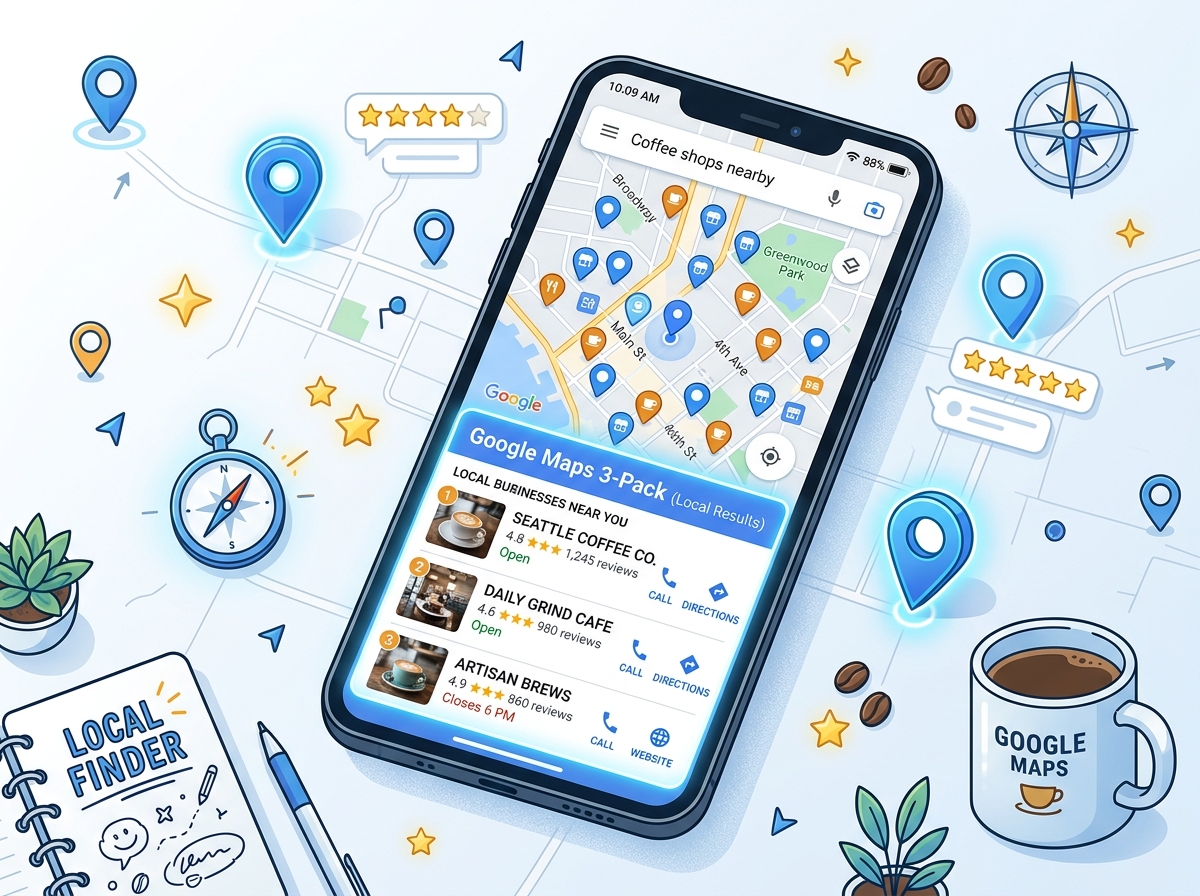
If your business serves customers in a specific city, neighborhood, or region, then mastering this local SEO guide is one of the most powerful moves you can make. Local SEO is the process of optimizing your online presence so that your business appears prominently when nearby customers search for products or services like yours — especially in Google Maps and the local pack results. In today’s mobile-first world, showing up at the top of those results can mean the difference between a full appointment book and an empty one.
According to Google, nearly 46% of all searches have local intent, and 76% of people who search for something nearby on their smartphone visit a business within a day. The opportunity is massive — and most small businesses are leaving it on the table.
Understanding How Google Maps Rankings Work
Before diving into tactics, it helps to understand what Google actually looks at when deciding which businesses to show in the local pack. Google uses three primary ranking factors for local results:
- Relevance: How well your business profile matches what the searcher is looking for.
- Distance: How close your business is to the searcher or the location they specified.
- Prominence: How well-known and trusted your business is, based on reviews, links, and online mentions.
Optimizing for all three factors requires a multi-layered approach — starting with the foundation of all local SEO success: your Google Business Profile.
Step 1: Optimize Your Google Business Profile
Your Google Business Profile (formerly Google My Business) is the single most important asset in your local SEO strategy. It’s what powers your appearance in Google Maps and the local 3-pack. If you haven’t claimed and verified your profile yet, that’s your first priority.
Complete Every Section of Your Profile
Google rewards completeness. Make sure you fill out every available field in your Google Business Profile, including:
- Business name — Use your real business name. Do not keyword-stuff it.
- Primary and secondary categories — Choose the most accurate category for your business. This is one of the most impactful ranking signals.
- Business description — Write a compelling 750-character description that naturally includes your main services and location keywords.
- Hours of operation — Keep these accurate and update them for holidays.
- Phone number and website URL — Ensure these match what’s on your website exactly.
- Service areas — If you serve customers at their location, define your service area clearly.
- Products and services — Add detailed listings with descriptions and pricing where applicable.
Upload High-Quality Photos Regularly
Businesses with photos receive 42% more requests for directions and 35% more website clicks than those without. Upload photos of your storefront, interior, team, products, and completed work. Aim to add new photos at least once a week to signal an active, engaged business to Google.
Use Google Posts to Stay Active
Google Posts are short updates that appear directly on your Business Profile. Use them to promote offers, events, new products, or blog content. Posting weekly keeps your profile fresh and gives searchers a reason to engage with your listing before they even visit your website.
Step 2: Build NAP Consistency Across the Web
NAP stands for Name, Address, and Phone Number. Google cross-references your business information across dozens of online directories to verify your legitimacy. Inconsistencies — even small ones like “St.” vs. “Street” — can confuse Google and hurt your rankings.
Audit your business listings on platforms like Yelp, Bing Places, Apple Maps, Facebook, and industry-specific directories. Use a tool like BrightLocal or Moz Local to find and fix inconsistencies at scale. This step is often overlooked but is a critical part of any solid local SEO guide.
Step 3: Generate and Manage Customer Reviews
Reviews are one of the most powerful local ranking signals — and they directly influence whether potential customers choose you over a competitor. Businesses with a higher volume of recent, positive reviews consistently outrank those with fewer or older reviews.
How to Get More Reviews
- Ask satisfied customers directly after a purchase or service — in person, via email, or through SMS.
- Create a short Google review link and include it in your email signature, receipts, and follow-up messages.
- Train your team to make review requests a natural part of the customer experience.
How to Respond to Reviews
Always respond to reviews — both positive and negative. Thank customers for positive feedback and address negative reviews professionally and constructively. Google sees review responses as a sign of an active, customer-focused business, which can positively impact your local rankings.
Step 4: Optimize Your Website for Local Search
Your website and your Google Business Profile work together. A well-optimized site reinforces your local authority and helps Google connect the dots between your online presence and your physical location.
- Create location-specific landing pages if you serve multiple cities or neighborhoods.
- Include your city and region naturally in your page titles, meta descriptions, headers, and body content.
- Embed a Google Map on your contact page.
- Add LocalBusiness schema markup to your homepage and contact page to help Google understand your business details.
- Ensure your site is mobile-friendly and fast — most local searches happen on smartphones.
Following this local SEO guide approach to on-page optimization creates a consistent signal that reinforces your Google Business Profile and boosts your overall local authority.
Step 5: Build Local Citations and Backlinks
Citations are online mentions of your business name, address, and phone number. Backlinks from locally relevant websites — such as local news outlets, chambers of commerce, or community blogs — send strong trust signals to Google.
Reach out to local organizations for partnership opportunities, sponsor community events, or contribute guest articles to local publications. Each quality local backlink strengthens your prominence score and pushes you higher in Google Maps results.
Putting It All Together
Ranking in Google Maps isn’t about one magic trick — it’s about consistently executing the fundamentals. This local SEO guide gives you a proven roadmap: claim and fully optimize your Google Business Profile, maintain NAP consistency, earn and respond to reviews, optimize your website for local intent, and build local authority through citations and backlinks.
Businesses that commit to these strategies don’t just rank higher — they build lasting visibility that drives real foot traffic, phone calls, and revenue. The best time to start was yesterday. The second best time is right now.
Ready to Dominate Local Search?
If you’re serious about growing your local presence and outranking competitors in Google Maps, our team is here to help. Contact us today for a free local SEO audit and discover exactly what’s holding your business back from the top of the local pack. Don’t let your competitors take the customers that should be yours.